
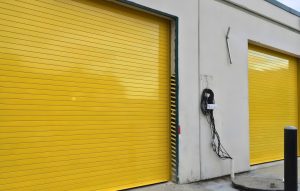
 A garage door is one of the most-used mechanical components in a home; the average household cycles it 4 to 6 times per day. Over 20 years, that is 30,000 to 45,000 open-and-close cycles. How long the door itself holds up through that use depends on three things: the material it is made from, how well it is maintained, and the climate conditions it operates in. When a door reaches the end of its service life, full door replacement in Austin is typically more cost-effective than continued repairs on aging hardware.
In Austin and the Cedar Creek corridor, climate is a significant variable. Sustained summer heat, humidity swings, UV exposure, and cedar pollen season put more stress on garage door materials than most national lifespan estimates account for. All Points Garage Doors has been fully insured and handling installation, service, and replacement across this area since 2010.
Lifespan by Material
Steel Garage Doors: 20 to 25 Years
Steel is the most common garage door material in the Austin market and the most durable in Central Texas conditions. A well-maintained steel door with a factory-applied finish, polyurethane foam core, and galvanized steel construction typically lasts 20 to 25 years. Annual spring inspection and assessment is especially important for steel doors; springs wear independently of the door itself and give out before the door does. Builder-grade steel doors use thinner-gauge steel and typically reach the end of life closer to 15 to 18 years. Upgrade-grade doors using heavier steel and full polyurethane foam cores consistently outperform builder-grade units by 5 to 10 years.
Wood Garage Doors: 15 to 20 Years
Wood doors require the most maintenance of any material and are most affected by Austin’s climate. Without annual repainting or restaining and bottom seal maintenance, a wood door on a west- or south-facing garage can show significant degradation within 8 to 10 years. With consistent maintenance, quality wood doors made from cedar or redwood can reach 20 years or more. Wood doors that show soft spots, panel separation, or structural warping are typically beyond repair.
Aluminum Garage Doors: 20 to 30 Years
Aluminum doors are naturally rust-resistant, making them well-suited to Austin’s occasional high-humidity periods. They are lighter than steel, which puts less strain on springs and openers over time. The primary lifespan limitations for aluminum in Central Texas are denting — aluminum is softer than steel — and finish fading from UV exposure. Anodized or powder-coated aluminum finishes hold up better than painted finishes in sustained sun exposure.
Fiberglass Garage Doors: 25 to 30 Years
Fiberglass doors resist moisture, rust, and warping. Their limitation is UV degradation over time: fiberglass panels can become brittle and prone to cracking after sustained UV exposure in Texas summers. Quality fiberglass doors with UV-resistant gel coats perform significantly better. They cost more upfront than steel and are less common in the Austin market. For homeowners prioritizing longevity over upfront cost in the Cedar Creek and Bastrop County corridor, where humidity exposure is higher than central Austin, fiberglass is a sound long-term investment. A quality fiberglass door installed today at a premium price will typically outlast two sets of garage door springs and one full opener replacement cycle before requiring significant attention.
How Maintenance Extends Door Life
The single biggest variable in garage door longevity is not material — it is maintenance consistency. A builder-grade steel door that receives annual lubrication, weatherstripping replacement, and bottom seal attention will outlast a premium wood door left unmaintained in the same climate. Following the recommended annual service interval for Central Texas, a professional inspection and tune-up each year catches worn components before they cause bigger problems. Springs that are slightly out of tension put uneven load on panels and tracks. Dry rollers wear against tracks and transfer vibration into the door frame. Catching these issues early during an annual tune-up can be the difference between a modest maintenance call and a premature full door replacement.
How Austin’s Climate Affects Door Lifespan
Summer Heat
Sustained triple-digit summer temperatures affect every door material. Heat cycling, the daily expansion and contraction of materials as temperatures swing from morning to afternoon, accelerates wear on weatherstripping, bottom seals, and finish adhesion. Doors facing west or southwest receive the most afternoon sun exposure and consistently show earlier finish degradation than north- or east-facing doors on the same property.
Humidity and Moisture Cycles
Austin’s pattern of dry winters followed by wet springs creates rapid moisture absorption cycles in wood-based materials. Steel and aluminum doors are affected primarily at seams and joints. Properties in the Cedar Creek, Webberville, and Hornsby Bend corridor, near the Colorado River flood zone, see more consistent humidity exposure than drier areas farther from the river.
UV Exposure
Central Texas has high UV index days for much of the year. Factory-applied baked-on finishes on steel doors hold up better than field-applied paints. Doors with painted finishes — including all wood doors and some aluminum units — need more frequent finish maintenance in Austin than in milder climates. A deteriorating finish is not just cosmetic: once the protective layer fails, moisture intrusion accelerates hardware wear and material degradation underneath. This is particularly visible on homes in Wyldwood, Garfield, and Red Rock where sun exposure is unobstructed and painted steel doors without regular maintenance show rust at panel seams within 8 to 10 years of installation.
Signs Your Garage Door Is Reaching End of Life
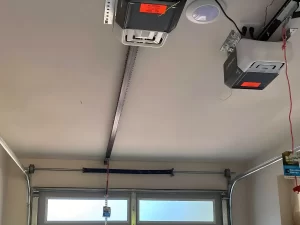
Most garage doors do not fail suddenly. They show a progression of warning signs over 2 to 3 years before becoming non-functional. Understanding when to repair vs replace helps you make the call before you are left with a non-functional door. Watch for:
- Sagging or visible warping when viewing the door from the side
- Panels that are bent, cracked, or show soft spots on wood
- Increasing difficulty opening or closing even after tune-up and spring service
- Visible rust penetrating through the surface, especially at the bottom panel
- Recurring spring or cable failures suggesting the door is too heavy or out of balance
Repair vs Replace — How to Decide
The repair-vs-replace calculation comes down to the door’s age and structural integrity versus the cost comparison between a comprehensive repair and a new door. A good rule of thumb: if the door is more than 20 years old and requires repairs totaling more than 50% of a replacement door’s cost, replacement is the better long-term value.
Cosmetic damage — dents to a panel, peeling finish, or a failed bottom seal — on an otherwise sound door is nearly always worth repairing. Structural damage to the frame or stiles, or damage combined with a door at or beyond its expected service life, tips the calculation toward replacement.
For a complete garage door installation, All Points carries the most common configurations for Cedar Creek, Manor, Bastrop, and the eastern Austin corridor. Most installations are completed in a single visit.
To get a replacement estimate with no obligation, call (512) 796-4985 — fully insured, available 24/7 since 2010.
