
A dented or cracked garage door panel is one of those repairs where the right answer isn’t always obvious. Sometimes you replace the panel and you’re done. Sometimes you’re better off replacing the whole door, and sometimes the damage isn’t worth addressing at all. The answer depends on the door’s age, the panel material, how many panels are affected, and whether a matching replacement panel is even available for your door model.
Our panel repair service covers single-panel and multi-panel replacements for steel, insulated steel, and wood sectional doors throughout Austin. We’re fully insured and have been serving Austin since 2010. Here’s an honest breakdown of what panel replacement costs in Austin, what drives the price, and how to decide whether it’s the right repair for your situation.
All prices below reflect Austin market rates including parts and labor. We give you a written quote before any work starts.
What Garage Door Panel Replacement Costs in Austin
Repair Type | Austin Price (Installed) | Notes |
|---|---|---|
Single steel panel (non-insulated) | $325-$550 | Most common; matches standard builder doors |
Single insulated steel panel | $375-$625 | R-value varies; common in newer construction |
Single wood or composite panel | $500-$1,000 | Price varies by species and profile match |
2-3 panels, same door | $600-$1,500 | Per-panel cost reduces slightly at volume |
4+ panels, same door | Near full door cost | Replacement vs full door decision point |
Service call / diagnostic fee | $65-$100 | Credited toward repair when you proceed |
What Affects the Price of Panel Replacement
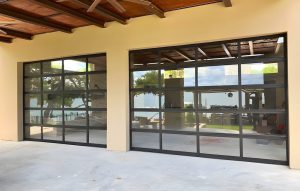
Panel material. Steel panels are the most common and least expensive to source. Insulated steel panels cost more because of the foam core that sits between the inner and outer steel skins. Wood and composite panels are the most expensive because of material cost, weight, and the fitting time required.
Panel availability. If your door model is in current production, replacement panels are straightforward to order. If the manufacturer has discontinued the model, matching panels may not be available, which can push the job toward a full door replacement. Door models discontinued more than 8-10 years ago are the most likely to have availability issues.
Number of panels. A single damaged panel is a routine repair. Two or three panels increase the parts cost proportionally. Once you’re replacing four or more panels on a standard 16-foot door, the math often makes a full door replacement more sensible given that the remaining panels are the same age as the damaged ones.
Labor complexity. Standard panel replacement on a single-car steel sectional door is a 60 to 90-minute job. Wider doors, heavier panels, and damage that extends to hinges or hardware add time. If the panel impact also sent the door off track, that’s a separate repair item. See our off-track repair cost guide for what that adds.
Panel Replacement Cost by Material
Steel panels (non-insulated). The most common replacement in Austin’s new construction suburbs. Standard steel panels run $150 to $275 per section for parts alone, with professional installation adding $125 to $175. Total installed: $275 to $450 per panel. These match the vast majority of builder-grade doors in Manor, Pflugerville, Cedar Park, and Round Rock.
Insulated steel panels. More common in homes built after 2005, where energy efficiency and noise reduction were priorities. Parts run $225 to $375 per section. Installed total: $350 to $550 per panel. If you’re replacing a non-insulated panel on a door that has insulated sections, a technician can assess whether a mixed configuration creates any issues.
Wood and composite panels. Less common in Austin’s newer construction but present in older neighborhoods like Tarrytown, Hyde Park, and Allandale, and in custom homes. Parts for a single wood panel run $300 to $750 depending on species and profile. Installed total: $475 to $1,000. Color and grain matching is the biggest challenge. Composite panels are more dimensionally stable than solid wood in Austin’s heat and humidity, making them a better long-term choice for replacements.
When Panel Replacement Makes Sense
Panel replacement is the right call when:
- One or two panels are damaged and the rest of the door is in good condition.
- The door is under 10-12 years old, so the remaining panels have significant life left.
- A matching replacement panel is available for your door model and color.
- The damage is isolated to the panel face and hasn’t affected the hinges, bottom rail, or track system.
- The cost of replacement panels is less than roughly 40-50% of what a full door replacement would cost.
When to Replace the Whole Door Instead
Panel replacement doesn’t make financial sense in every situation. See our full door replacement guide for the complete framework, but the panel-specific triggers are:
- The door model has been discontinued and matching panels aren’t available. A mismatched panel looks noticeably different and typically can’t be painted to match.
- Three or more panels need replacement. At this point you’re likely within range of full door replacement cost, and the remaining panels are the same age and condition as the ones being replaced.
- The door is 15 or more years old. Panel replacement on an old door delays the inevitable and doesn’t address the aging springs, rollers, and hardware.
- Structural damage extends beyond the panel to the bottom rail, center stile, or track system. That changes the scope significantly.
For guidance on full door pricing, see our new garage door cost guide. We’ll always give you both options with honest recommendations.
How Hail, Heat, and Vehicles Damage Austin Panels
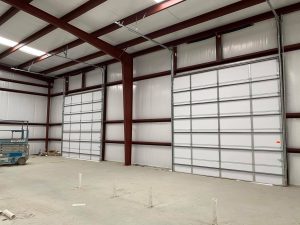
Austin’s specific conditions produce three common panel damage patterns:
Hail. Central Texas hail events are frequent and can be severe. Golf ball-sized hail leaves visible dimple patterns across the full exposed surface of a garage door panel. Multiple panels are often affected in a single storm, which is why hail claims frequently result in full door replacement rather than individual panel repairs. If you experienced a hail event, document the damage with photos and check with your insurer before scheduling repairs.
Vehicle impact. Backing into a closed door is the single most common cause of individual panel damage in Austin. The typical impact dents one or two panels in the lower portion of the door. If the impact bent the panel inward enough to interfere with door movement or track alignment, address it promptly. Leaving a kinked panel causes additional wear on the rollers and bottom seal.
Heat warping. Wood and some composite panels can warp from Austin’s summer heat, particularly on south- and west-facing garages that receive direct afternoon sun. Warped panels don’t seal properly, allow pests and weather in, and can interfere with the door’s balance. Annual sealing or painting is the primary preventive measure for wood doors in Austin’s climate.
Our Austin team is available 24/7 for panel assessment and replacement. Call (512) 796-4985 or get a free panel estimate online. We’ve been fully insured and serving Austin since 2010.
How to Reduce the Chance of Future Panel Damage
A few practical steps that matter in Austin specifically:
- Install floor parking guides or a hanging indicator in the garage. Most vehicle-impact damage happens when a driver pulls too far forward or backs in without a reference point.
- Close the door before severe weather. Open doors face wind loading; closed doors are better protected during storms.
- Seal wood panels annually. Austin’s humidity swings accelerate cracking and warping in untreated wood. An annual coat of sealant or paint extends the panel life significantly.
- Schedule an annual inspection. Our preventive service schedule and annual inspection checklist include a panel and hinge condition check that catches developing problems before they become emergency calls.
