
Most people call a garage door company when something stops working, and they expect a straightforward fix. What they don’t expect is how much they didn’t know going in. The opener acts up, a technician shows up, and suddenly there are decisions to make that nobody prepared them for: whether to repair or replace, which motor class actually fits their door weight, what a logic board failure means for the rest of the system. The gap between what customers assume and what the work actually involves is where most of the frustration lives. This article is about closing that gap before you need to make those calls.
The Opener Is Not the Whole System
This is the thing technicians hear themselves explaining on nearly every visit. A homeowner calls because the door won’t open. They assume the motor unit is dead. Sometimes it is. More often, the opener is responding perfectly to a problem somewhere else: a broken spring that’s put too much load on the drive, a bent track that’s causing the door to bind, or a safety sensor that’s been knocked out of alignment by a bumped garbage can. The opener is the brain, but it can only do what the mechanical system allows.
When All Points Garage Doors gets a call about an opener that’s stopped responding, the first thing a technician checks is whether the door itself moves freely by hand. If it doesn’t, fixing the opener won’t fix the problem. Customers who skip that step end up paying twice: once for the opener work, and again when the underlying mechanical issue finally gets diagnosed.
The practical takeaway is simple. Before any repair begins, ask the technician to walk through what they’re testing and why. A good technician will tell you whether the opener itself is at fault or whether it’s compensating for something else. That distinction changes both the repair cost and the timeline.
What Nobody Tells You About Motor Ratings
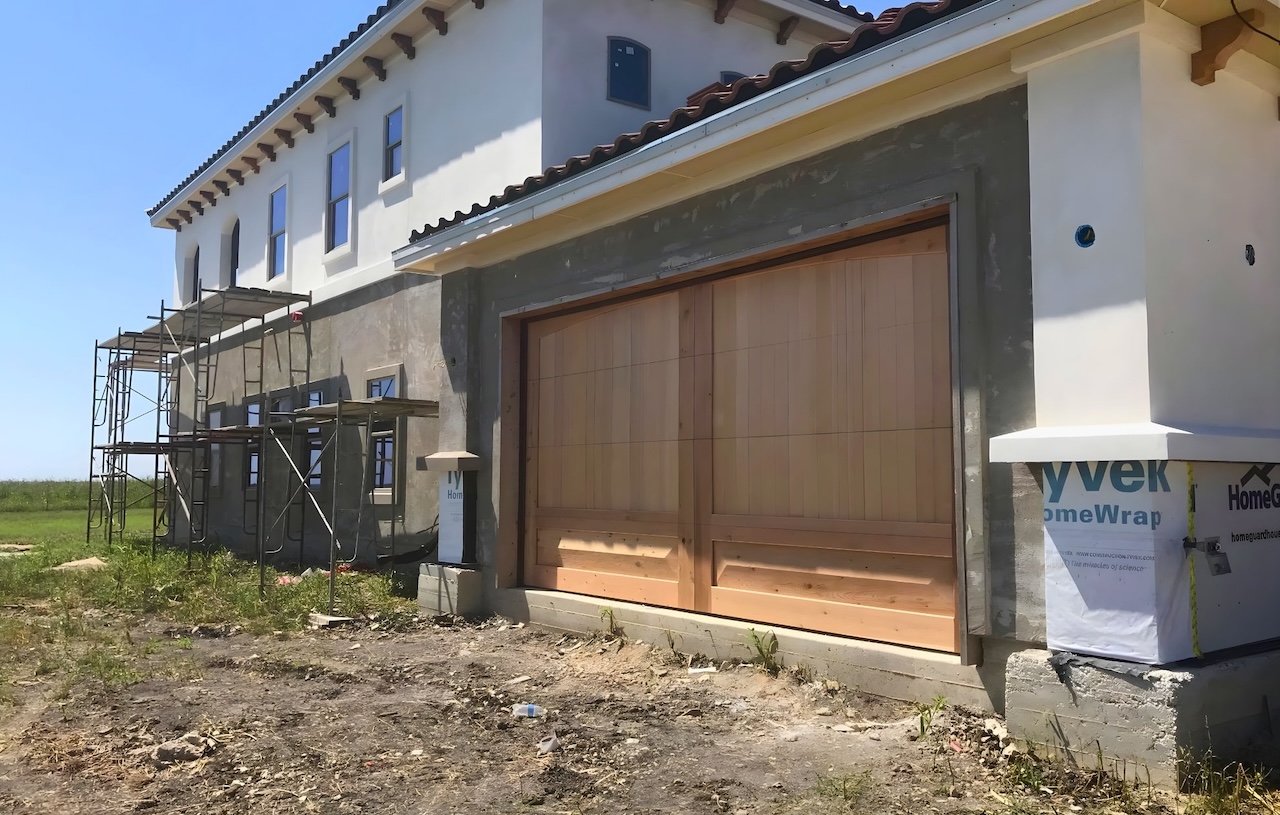
Garage door openers are sold by horsepower, and most homeowners pick based on that number alone. What that number doesn’t tell you is how it interacts with door weight, panel count, and insulation. A standard one-car door in good mechanical condition runs fine on a half-horsepower unit. A heavy two-car door with thick insulated panels, common in properties along FM 535 where attached garages tend to be larger, can wear out an undersized motor in a fraction of its expected lifespan.
Drive type is the other variable that rarely comes up in a first conversation. Chain drives are durable and affordable but noisy, which matters if a bedroom sits above or beside the garage. Belt drives run quietly but cost more upfront. Screw drives are a middle ground that performs well in consistent temperatures but can become sluggish when conditions shift. All Points Garage Doors recommends matching the drive type to how the garage is actually used, not just to what’s cheapest on the shelf.
There’s also the question of smart features. Wi-Fi connectivity, battery backup, and camera integration are standard on many current units. Battery backup in particular is worth discussing, because a power outage shouldn’t mean a car trapped inside. It’s a feature that gets overlooked until the moment it’s needed.
Repair Timelines and What Can Delay Them
A straightforward opener repair, swapping out a capacitor or replacing a stripped gear, typically takes under an hour. A logic board replacement takes longer because the board has to be sourced to match the specific unit. Some manufacturers have discontinued parts for older models, which means a repair that sounds simple can turn into a compatibility search. Customers who have a unit that’s more than twelve to fifteen years old should ask upfront whether parts are still available before committing to a repair over a replacement.
Availability of the technician is a separate issue from parts availability. All Points Garage Doors has been serving Cedar Creek, TX and the surrounding area since 2010, and the team is available 24/7 for situations where a door is stuck open or stuck closed and can’t wait for a next-day appointment. That kind of response matters in a rural stretch where the garage is often the primary entry point to the home.
For non-emergency calls, booking an appointment in advance gives the technician time to confirm parts availability before arriving, which cuts down on return visits. It’s a small step that saves a lot of back-and-forth.
The Questions Worth Asking Before the Work Starts
Customers who’ve been through a repair before tend to ask better questions the second time. The most useful ones: Is this a repair that will hold, or are we buying time? If the opener is going to need replacing within a year anyway, it’s worth knowing that before spending money on a patch. What warranty covers the parts being installed? Labor and parts warranties vary by manufacturer and by the company doing the work. All Points Garage Doors is fully insured, which protects customers in the event of damage during the repair.
For homeowners in Niederwald and Cedar Creek, TX who’ve dealt with garage door opener repair before, the pattern is familiar: the first visit teaches you what to ask on the second one. The goal of a good technician is to make sure you don’t need a second visit. Ask about the full system, not just the part that stopped working. Ask whether the existing hardware is compatible with a new unit if replacement comes up. And ask what maintenance, if any, would extend the life of whatever gets installed.
Neighbors in Webberville and Garfield deal with the same questions, and the answers don’t change much by location. What changes is how prepared a homeowner is when the technician pulls up.
All Points Garage Doors has been the local resource for this kind of work in Cedar Creek, TX since 2010, fully insured and available 24/7 for everything from urgent calls to scheduled tune-ups. Reach the team directly at Cedar Creek, TX, (512) 796-4985.
Frequently Asked Questions
What should I know before calling for a repair?
Before you call, check whether the door moves freely by hand. If it doesn’t, fixing the opener might not solve the problem, and you’ll end up paying for two services. A good technician will walk you through what they’re testing and why.
How do I choose the right motor for my garage door?
When selecting a motor, consider the door’s weight, panel count, and insulation, not just horsepower. For instance, a heavy two-car door with thick insulation needs more power than a standard one-car door. Matching the motor type to your garage’s specific needs ensures longevity and performance.
What can delay the timeline for repairs?
A straightforward repair usually takes under an hour, but sourcing parts for older models can delay the process. If your unit is more than twelve to fifteen years old, confirm parts availability before committing to repairs. This can help avoid unexpected delays during the service.
What questions should I ask the technician before starting work?
Ask whether the repair will hold or if you’re just buying time until a replacement is needed. Inquire about warranties on parts and labor, as these can vary by manufacturer and company. Understanding these details can help you make informed decisions about your garage door system.
Get Directions to All Points Garage Doors
🎧 Listen to this as a podcast
Also on Apple Podcasts, Spotify, and Amazon Music.
