
When a spring snaps on your garage door, everything stops, literally. The door won’t move, your car is stuck inside or out, and your morning is officially derailed. For homeowners searching for garage door spring repair Lockhart TX and the surrounding Cedar Creek, TX area, getting fast, professional help isn’t just convenient, it’s necessary. Springs are under enormous tension, and this is one repair that demands experience, the right tools, and a technician who knows what they’re doing.
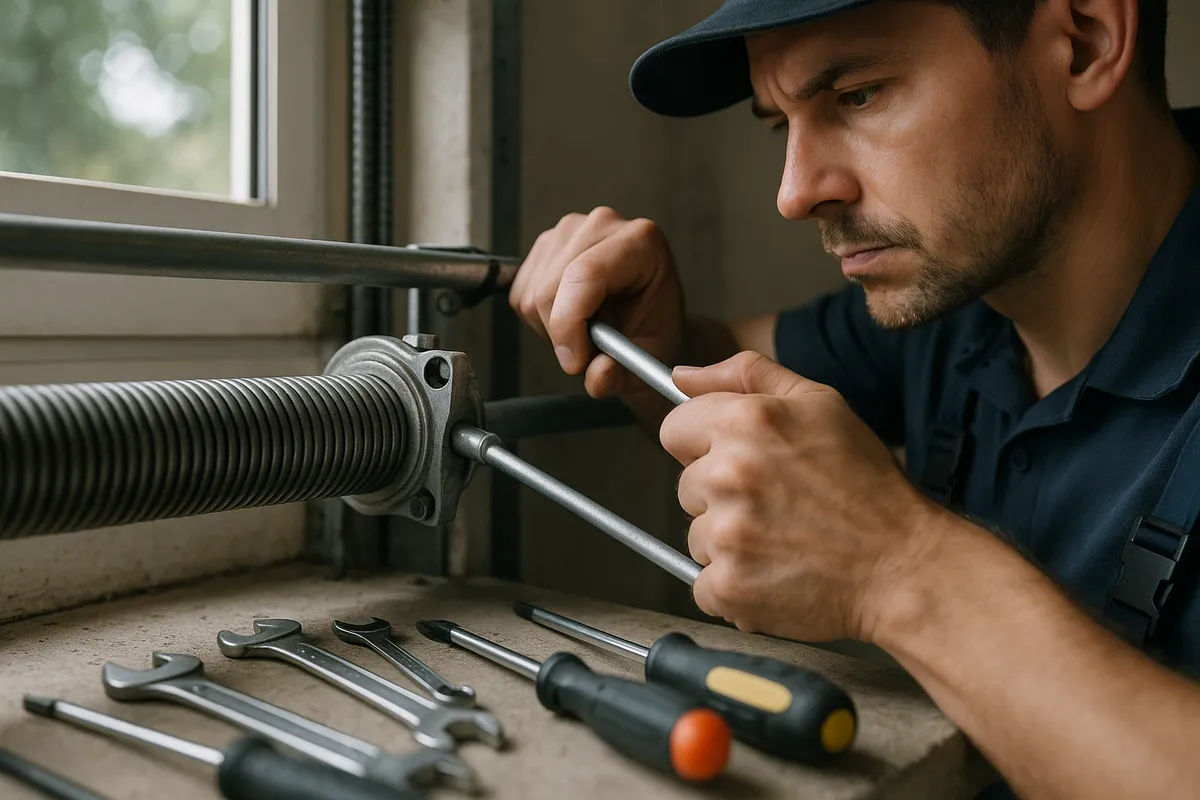
Why Springs Fail When You Least Expect It
Most homeowners never think about their garage door springs until the moment one breaks. That’s understandable, these components are tucked away near the top of the door system, doing their job quietly every single day. The average torsion spring is rated for somewhere around 10,000 cycles. A cycle is one open and one close. Do the math on a busy household and you’ll see how quickly that adds up over several years.
What accelerates the wear cycle? Temperature swings are a big one. Central Texas weather puts real stress on metal components, hot summers, the occasional cold snap, and humidity that doesn’t quit. Springs that were installed years ago and never inspected are quietly working their way toward failure. By the time you hear that loud bang early in the morning, the damage is already done.
The good news is that regular visual checks can give you early warning signs. If you notice the door moving unevenly, one side dropping lower than the other, or the opener straining louder than usual, those are signals worth taking seriously. A post like understanding the signs your garage door needs repair in Cedar Creek breaks down exactly what to watch for before things get worse.
Torsion vs. Extension Springs, It Actually Matters
Not all garage door springs are the same, and the type your door uses affects how the repair is handled. Most modern doors use a torsion spring system, a single (or double) spring mounted horizontally above the door opening. These store energy by twisting along a metal shaft. They’re generally more durable and provide smoother operation than the older style.
Older or lighter doors often use extension springswhich run along the horizontal tracks on either side of the door. These stretch and contract as the door moves. When one breaks, it can whip around violently if there’s no safety cable in place, which is exactly why this isn’t a DIY situation.
A technician who has been doing this work for years will assess your setup, recommend the right replacement spring with the correct weight rating for your door, and make sure both sides are balanced. Replacing just one spring when both are aging is a common mistake that leads to a repeat service call within months. A good technician will tell you that upfront rather than let you find out the hard way.
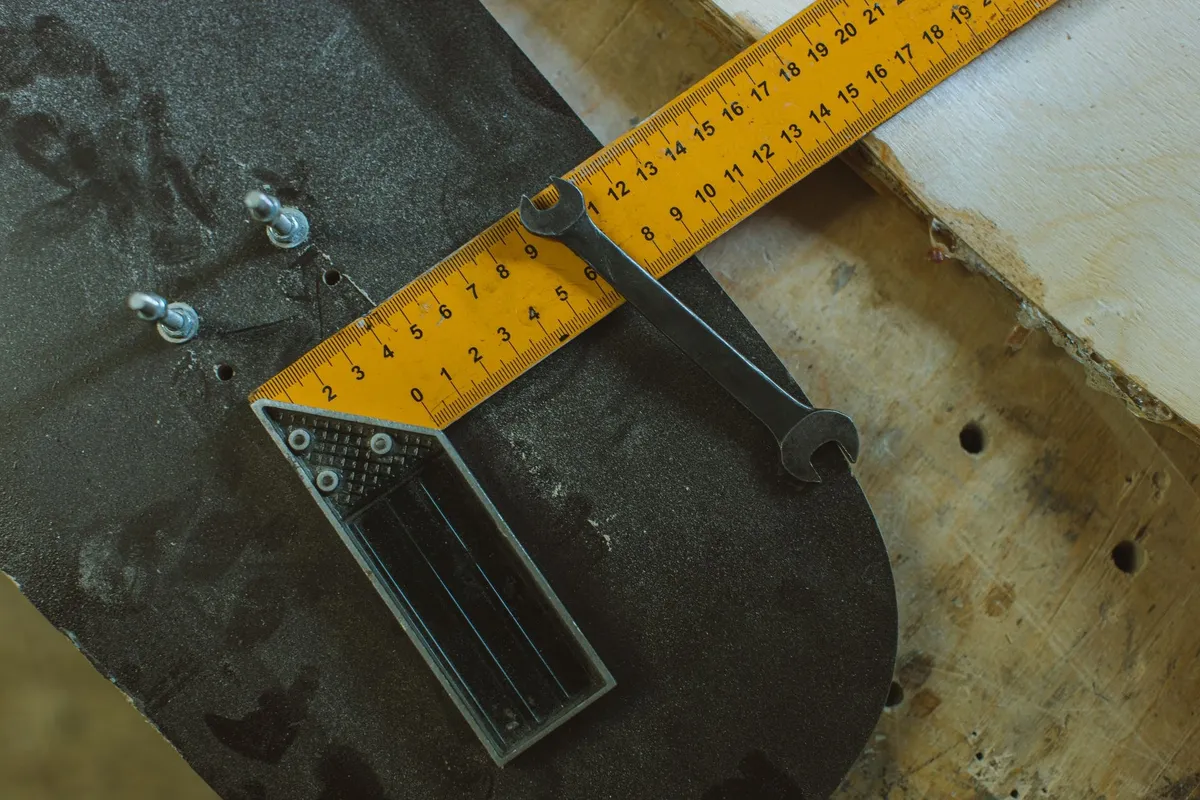
The Real Risk of Trying to Handle It Yourself
Search online and you’ll find plenty of videos showing homeowners replacing garage door springs themselves. Some of them make it look straightforward. It isn’t. Torsion springs are wound under hundreds of pounds of force. A mistake during winding or unwinding can send a spring or winding bar flying with enough force to cause serious injury.
This is one of those repairs where the cost of professional service is genuinely worth it, not just for the convenience, but for safety. The team serving Cedar Creek and the Lockhart corridor has been handling spring replacements since 2010, and they’re fully insured, which matters when you’re dealing with a repair that carries real physical risk. Customers who’ve used the service consistently mention how quickly technicians respond and how thorough the work is, no shortcuts, no guesswork.
If you’ve been putting off getting a spring issue looked at, it’s worth reading about why delaying garage door repair in Cedar Creek can cost you more in the long run. What starts as a worn spring can turn into a damaged door panel, a bent track, or a burned-out opener motor.
What to Expect When You Call for Service
Getting a spring repaired doesn’t have to be a complicated process. When you reach out, a technician will ask a few basic questions, the type of door, how old it is, what symptoms you’re seeing, and schedule a time that works for you. Because the service is available 24/7a broken spring at 6 a.m. or late on a Sunday night doesn’t mean you’re stuck waiting until Monday morning business hours.
During the visit, the technician will inspect the full spring system, check the cables and drums that work alongside the springs, and confirm the door is properly balanced before wrapping up. Balanced doors put less strain on the opener and extend the life of every component in the system.
If you’re ready to get the problem handled, you can book an appointment directly and get on the schedule without any back-and-forth. For homeowners in Cedar Creek, Lockhart, and the communities in between, having a fully insured, locally experienced team available around the clock makes a real difference when something goes wrong with a system you rely on every single day.
Frequently Asked Questions
How long do garage door springs typically last before they need to be replaced in Central Texas?
Most torsion springs are rated for around 10,000 cycles, where one cycle equals the door opening and closing once, so a busy household can burn through that faster than you’d expect over several years. On top of normal wear, Central Texas weather makes things worse: the heat, humidity, and occasional cold snaps put extra stress on metal components, which can shorten the lifespan of springs that were never inspected after installation.
What’s the difference between torsion springs and extension springs, and does it change how the repair works?
Torsion springs mount horizontally above the door opening and store energy by twisting along a metal shaft, they’re the more common setup on modern doors and generally run smoother and last longer. Extension springs run along the tracks on either side of the door and can whip around violently when they break if there’s no safety cable in place, which is one reason the repair process and risks are handled differently depending on which system your door uses.
Is it safe to wait a few days to get a broken spring looked at, or does it cause other damage?
Putting off a spring repair can turn one problem into several, a worn or broken spring puts extra strain on the opener motor and can lead to bent tracks or damaged door panels over time. The article specifically points out that what starts as a spring issue can end up costing significantly more if it’s left alone, so getting it looked at sooner rather than later is the practical move.
Can I just replace the one broken spring and leave the other one alone if it still looks okay?
Replacing only the broken spring when both are aging is a common mistake that typically leads to another service call within months, because the second spring is usually at a similar point in its wear cycle. A technician should tell you this upfront rather than let you find out the hard way with a second breakdown shortly after the first repair.
What happens during the service visit, is it just the spring swap, or do they check anything else?
During the visit, the technician inspects the full spring system and also checks the cables and drums that work alongside the springs, since those components are under the same stress and wear together. Before leaving, they confirm the door is properly balanced, which matters because an unbalanced door puts unnecessary strain on the opener and shortens the life of everything else in the system.
Get Directions to All Points Garage Doors
🎧 Listen to this as a podcast
Also on Apple Podcasts, Spotify, and Amazon Music.
