
Most homeowners think getting a new garage door is straightforward: pick a style, schedule a crew, done by noon. That belief leads to more callbacks, more frustration, and more money spent than almost any other assumption in home improvement. The reality is that the process has changed significantly since the early 2000s, and some of what people still expect from an installation reflects practices that the industry quietly left behind years ago.
What “Standard Practice” Used to Mean
A decade and a half ago, a typical crew would show up, pull the old door, hang the new panels, set the spring tension by feel, and be gone in a couple of hours. Speed was the measure of a good job. Installers rarely calibrated opener force limits precisely, and balance testing, where you disconnect the opener and manually lift the door to check whether it holds at mid-travel, was often skipped entirely. Nobody was measuring the levelness of the floor at the opening, either. The door went in, it moved up and down, and that counted as finished.
The problems showed up later. A door hung on an unlevel slab wears its bottom seal unevenly and eventually gaps on one side. Springs tensioned by feel rather than by the door’s actual weight either break early or put excessive load on the opener motor. Opener force settings left too high can prevent the auto-reverse safety feature from triggering correctly, which is a genuine hazard. None of this was visible on installation day, which is exactly why those shortcuts persisted for so long.
The Assumptions That Still Cause Problems Today
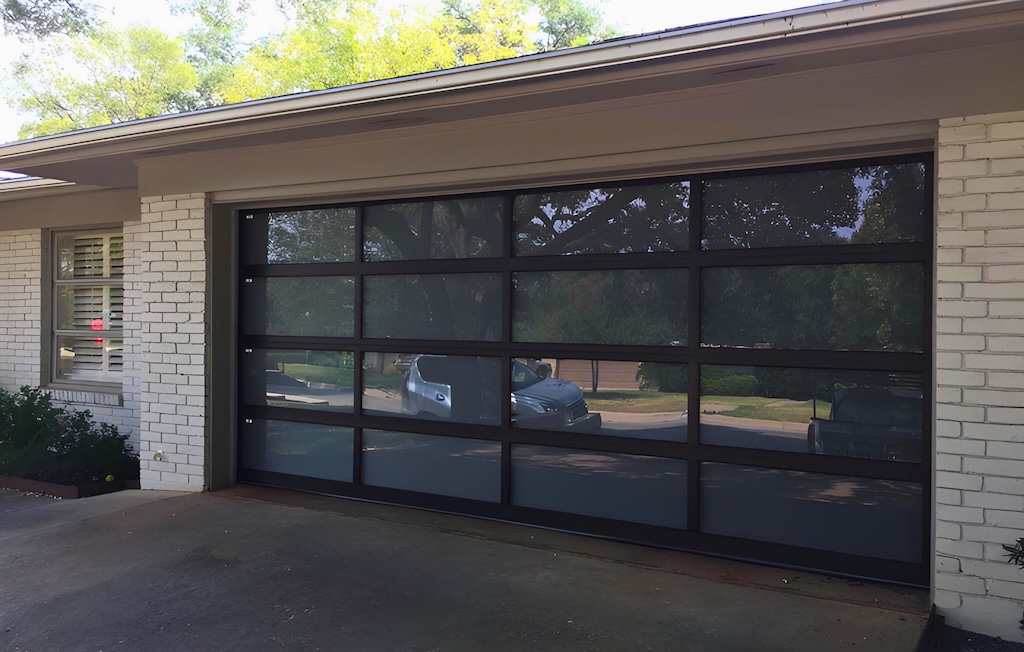
One of the most common misconceptions is that any door can go into any opening with minor adjustments. That is rarely true. Header clearance, the space between the top of the opening and the ceiling, determines which track configuration is even possible. A low-clearance track costs more and has specific hardware requirements. Customers who shop for a door before measuring their header clearance sometimes find that the door they want physically cannot be installed in their garage without structural changes.
Spring sizing is another area where assumptions go wrong. Torsion springs are rated by wire diameter, inside diameter, and length. The right combination depends on the door’s actual weight, not its nominal size. A two-car door with insulation and windows can weigh twice what a basic steel door of the same dimensions weighs. Getting the spring wrong by even one size means the opener works against the spring instead of with it, and the motor wears out years ahead of schedule.
All Points Garage Doors has observed, across many years of work in the area, that customers who received a quote over the phone without a technician ever seeing the opening are the ones most likely to face surprise costs on installation day. A proper quote requires seeing the header, the floor, the existing framing, and the drive path of whatever opener will be used.
What Has Actually Changed in the Trade
Modern installations follow a more methodical sequence. The opening gets measured at multiple points, because residential garage openings are almost never perfectly square. Spring tension is calculated from the door’s weighed mass, not estimated. Opener force limits are set and tested with a two-by-four on the floor to confirm auto-reverse triggers within the required travel distance. The door balance is checked manually before the opener is reconnected. None of this takes dramatically longer than the old way, but it produces a door that operates consistently for years rather than months.
Insulation values have also become a real factor in product selection. Homes along the FM 535 corridor near Cedar Creek, TX deal with significant heat load in warmer months. A door with a higher R-value keeps the garage meaningfully cooler, which matters both for comfort and for anything stored inside. Customers who choose based on appearance alone and ignore the insulation spec often regret it within the first summer.
All Points Garage Doors has been doing this work since 2010, and the shift toward documented, tested installations rather than speed-first work is one of the most meaningful changes in how the trade operates. The business is fully insured and available 24/7 for both scheduled work and urgent calls.
What to Think About Before Calling Anyone
Before scheduling an estimate, measure your header clearance and write it down. Know whether your opener is chain drive, belt drive, or screw drive, and how old it is, because a new door sometimes reveals that an aging opener is no longer up to the load. If you are in Mustang Ridge or the Cedar Creek, TX area and your garage faces west or south, ask specifically about insulated door options and get the R-value in writing.
Think about whether you want windows. They add weight and affect spring sizing. Think about whether you want a flush panel or a raised panel, because they behave differently in direct sun over time. If you have had work done in nearby communities like Buda and were happy with a particular product line, ask if the same manufacturer offers what you need here. Brand consistency across properties is a legitimate preference, and a good installer can usually accommodate it.
The single most useful thing a homeowner can do before any garage door installation conversation is to stop assuming the job is simple. It is not complicated, but it is precise. Precision is what separates a door that works well for fifteen years from one that starts causing problems in three.
All Points Garage Doors serves Cedar Creek, TX and the surrounding communities as a fully insured, 24/7 resource for homeowners who want the work done correctly the first time. For questions or to schedule a visit, reach the team at Cedar Creek, TX, (512) 796-4985.
Frequently Asked Questions
What should I measure before scheduling an estimate?
Before scheduling, measure your header clearance and note it down. Also, know the type of opener you have, whether it’s chain drive, belt drive, or screw drive, and its age, as this can affect compatibility with a new door.
What common mistakes do homeowners make when choosing a new door?
A common mistake is assuming any door fits any opening with minor adjustments. Header clearance and spring sizing are critical; if these aren’t correctly assessed, you may end up with a door that can’t be installed without additional structural changes.
How can I avoid surprise costs during the installation process?
To avoid surprise costs, ensure that a technician sees your opening before getting a quote. A proper evaluation should include checking the header, floor, and existing framing, which helps prevent unexpected expenses on installation day.
Why is proper spring sizing important?
Proper spring sizing is crucial because it directly affects how the door operates. If the springs are incorrect, it can lead to premature wear on the opener motor and potentially cause the door to malfunction, leading to costly repairs down the line.
Get Directions to All Points Garage Doors
🎧 Listen to this as a podcast
Also on Apple Podcasts, Spotify, and Amazon Music.
