
Most homeowners in this part of Bastrop County don’t think much about their garage door until something goes wrong, and by the time they call for garage door repair in Cedar Creek, TXa small problem has usually turned into a much bigger one. That’s the pattern that plays out over and over, and it’s almost always avoidable. The truth is, putting off repairs doesn’t save money. It just shifts the cost further down the road, and adds interest.
Small Noises Have a Way of Becoming Big Bills
A grinding sound when the door opens. A slight shudder on the way down. A spring that seems a little sluggish in cold weather. These aren’t quirks you learn to live with, they’re early warnings. And in Cedar Creek, where properties sit on larger lots and garage doors often take more daily abuse than their suburban counterparts, those warnings tend to escalate faster than people expect.
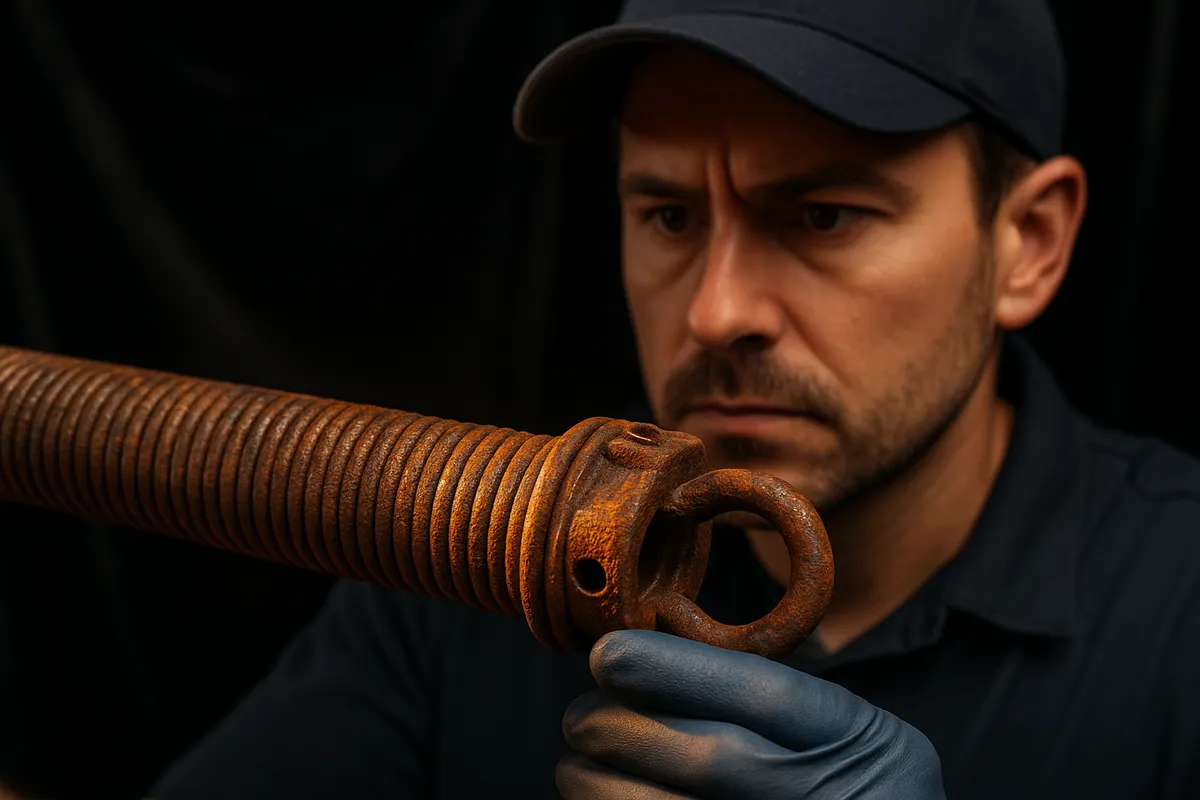
Worn rollers, for example, put extra strain on the tracks. Left alone, they can warp the track itself. What started as a $75 roller replacement becomes a $300 track repair. A loose cable that’s fraying at the drum doesn’t just snap quietly, it can drop a several-hundred-pound door without warning. The mechanical chain reaction that happens inside a neglected garage door system is real, and it moves quickly once it starts.
If you’re not sure whether what you’re hearing or seeing qualifies as a warning sign, understanding the signs your garage door needs repair can help you figure out what’s worth a phone call and what can wait.
The Texas Heat Does Its Own Kind of Damage
Cedar Creek summers are no joke. The combination of intense heat, humidity, and UV exposure takes a real toll on garage door components that most people never think about. Torsion springs lose tension faster in extreme temperature swings. Weatherstripping dries out and cracks, letting in heat, dust, and pests. Wooden door panels warp. Painted steel surfaces blister and corrode at the seams.
None of this happens overnight, but it does happen steadily. A door that’s been sitting with cracked weatherstripping for two summers isn’t just inefficient, it’s an open invitation for moisture to get into the garage, which can damage stored belongings, affect your home’s insulation, and in some cases compromise the structural integrity of the door frame itself.
The repair cost for a damaged torsion spring is a fraction of what you’d pay for a full door replacement. Spring repair costs are generally manageable when caught early, but a broken spring that’s been ignored long enough to damage the opener mechanism is a different conversation entirely.
Waiting Turns a Repair Into a Replacement
This is the part nobody wants to hear, but it’s the reality that experienced technicians see on a regular basis. A homeowner waits six months to address a door that’s been struggling to close properly. In that time, the opener works overtime trying to compensate. The motor burns out. Now there’s a door that needs mechanical repairs and a new opener, sometimes running $500 to $800 or more depending on the unit.
Worse, if the door itself has been repeatedly forced closed with a compromised spring or cable system, the panels can crack or bend at the stress points. At that stage, repair isn’t always possible. Replacement becomes the only option, and a new door installation in this area typically runs well into the thousands.
The team at All Points Garage Door & Repair works throughout the Cedar Creek area and hears this story constantly from new customers. The frustration is understandable, people are busy, and a garage door that’s “mostly working” doesn’t feel urgent. But the math rarely works out in favor of waiting.
The Security Angle Nobody Thinks About Until It’s Too Late
A garage door that doesn’t close fully, has a worn-out lock mechanism, or runs on an outdated opener without rolling code technology is a security liability. In rural areas like Cedar Creek, where homes are more spread out and response times can be longer, that matters more than it might in a densely populated neighborhood.
Older openers, anything more than 10 to 15 years old, often lack the encryption that modern units use to prevent code grabbing. A malfunctioning door sensor that keeps the door from seating properly in the closed position is an obvious vulnerability. These aren’t hypothetical concerns. Customers who’ve dealt with break-ins through the garage often mention afterward that they’d noticed something was off with the door for a while before the incident.
Getting ahead of these issues isn’t complicated. A professional inspection takes less than an hour and gives you a clear picture of what’s working, what’s wearing out, and what needs immediate attention. If you’re ready to stop guessing and get a real answer, booking an appointment is straightforward and puts you on the schedule without any commitment to a specific repair until you’ve heard the diagnosis.
The bottom line is simple: garage doors are mechanical systems, and mechanical systems degrade. The only question is whether you catch the problem when it’s still a minor fix or wait until it becomes a major expense. In Cedar Creek, with the heat, the dust, and the daily wear that comes with rural living, the window between “small issue” and “big problem” tends to be shorter than most people assume.
Frequently Asked Questions
How quickly can a small problem like worn rollers actually turn into a major repair bill in Cedar Creek?
Faster than most people expect, worn rollers put extra stress on the tracks, and if left alone, they can warp the track itself, turning a roughly $75 roller replacement into a $300 track repair. In Cedar Creek, where garage doors on larger rural properties tend to get more daily use and take more heat and dust exposure, that progression happens quicker than it might in a typical suburban neighborhood. The mechanical chain reaction inside a neglected door system doesn’t pause while you’re deciding whether to make the call.
What specific damage does the Cedar Creek heat actually do to a garage door over time?
The combination of intense heat, humidity, and UV exposure causes torsion springs to lose tension faster, weatherstripping to dry out and crack, wooden panels to warp, and painted steel surfaces to blister and corrode at the seams. Cracked weatherstripping that’s been ignored for a couple of summers isn’t just an efficiency problem, it lets moisture into the garage, which can damage stored belongings and in some cases affect the structural integrity of the door frame itself. None of it happens overnight, but it does happen steadily every season.
At what point does waiting on a repair mean the door has to be fully replaced instead of fixed?
A common scenario is a door that’s been struggling to close properly for several months, the opener works overtime to compensate, the motor burns out, and now you’re looking at both mechanical repairs and a new opener, which can run $500 to $800 or more depending on the unit. If the door has been repeatedly forced closed with a compromised spring or cable system, the panels can crack or bend at the stress points, and at that stage replacement becomes the only real option. A new door installation in this area typically runs well into the thousands.
Is a fraying cable actually dangerous, or is it the kind of thing that can wait a few weeks?
A fraying cable at the drum isn’t something to sit on, when it snaps, it can drop a several-hundred-pound door without warning, which is a serious safety risk for anyone nearby. It’s not a slow, gradual failure you’ll see coming; it tends to go all at once. If you’ve noticed the cable looks worn or is sitting differently than usual, that’s worth a phone call before it becomes an emergency.
Why does it matter that Cedar Creek is more rural when it comes to garage door security?
In areas where homes are more spread out and response times can be longer, a door that doesn’t seat properly in the closed position or runs on an outdated opener is a more significant vulnerability than it would be in a dense neighborhood. Openers more than 10 to 15 years old often lack the rolling code encryption that modern units use to prevent code grabbing, which is a real and specific risk. Customers who’ve dealt with break-ins through the garage often mention afterward that they’d noticed something was off with the door before the incident happened.
Get Directions to All Points Garage Doors
🎧 Listen to this as a podcast
Also on Apple Podcasts, Spotify, and Amazon Music.
