
You walked into your garage and noticed that something wasn’t right. Maybe the door is hanging crooked. There could be a cable dangling near the bottom of the door. Or the door came crashing down unexpectedly, and now it won’t move at all.
If any of this sounds familiar, you’re dealing with a snapped or damaged garage door cable. It’s one of the most common garage door repairs we handle. And while it might look like something you could fix yourself, this is one repair you really shouldn’t attempt. Here’s why and what you should do instead.
What Garage Door Cables Actually Do
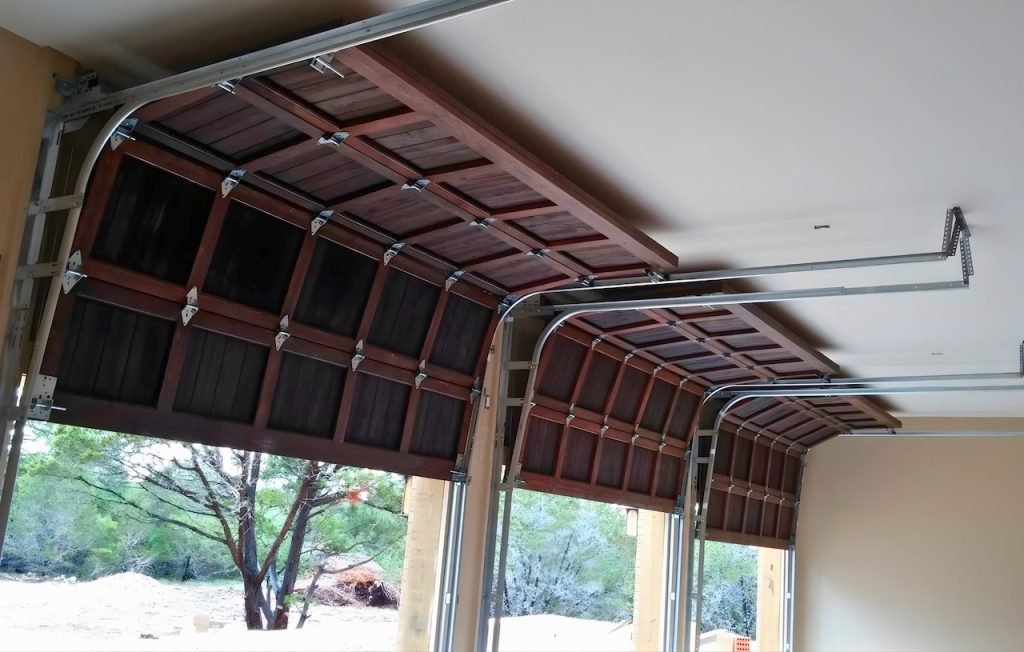
Your garage door has two lifting cables, one on each side. These steel cables connect the bottom of the door to the spring system. When the springs wind or unwind, the cables do the actual pulling. They’re what lift and lower the door.
Think of it this way: the springs store the energy, and the cables transfer it to the door. Without functioning cables, the springs have nothing to pull against, and the door becomes dead weight. Or worse, it falls uncontrollably.
On a standard 16-foot two-car garage door weighing 200+ pounds, those cables are under serious tension. When one snaps, things go wrong fast.
Why Garage Door Cables Snap
Cables don’t usually snap out of nowhere. There’s almost always a reason, and understanding it helps prevent future failures:
Normal wear and tear. Cables flex thousands of times over their lifespan. The strands gradually fray, especially near the drum where they wrap under tension. Eventually, enough strands break for the cable to fail.
Rust and corrosion. Here in Austin, humidity isn’t as extreme as on the coast, but moisture still gets into garages, especially during our rainy spring season. Rust weakens the cable fibers from the inside out. We see this frequently in Lakeway TX, and Georgetown TX, where proximity to lakes and creeks keeps humidity elevated.
Spring failure. This is the big one. When a torsion spring breaks, the sudden release of tension can snap a cable instantly or cause it to jump off the drum. If your cable broke at the same time you heard a loud bang, the spring is almost certainly the root cause.
Improper installation or adjustment. If the cables weren’t wound correctly on the drums or if the spring tension is off, the cables wear unevenly. We sometimes see this in DIY repairs or in jobs done by inexperienced technicians.
Obstruction damage. If something gets caught under the door as it closes (a trash can, a bike, a kid’s toy), the sudden stop can jerk the cables hard enough to damage them. The cable might not snap immediately, but the weakened spot will fail later.
Warning Signs Before a Cable Breaks
Cables often show symptoms before they fail. Catching these early can save you from a more expensive repair or a dangerous situation:
Fraying. Look at the cables near the bottom brackets and where they wrap around the top drums. If you see individual strands sticking out like a frayed rope, the cable is on borrowed time.
Rust spots. Discoloration or rough patches on the cable indicate corrosion. The cable may still hold, but it’s weaker than it looks.
Slack or uneven tension. With the door closed, both cables should be taut. If one looks looser than the other, or if a cable is visibly hanging, something’s wrong with the drum winding or the spring balance.
Door moving unevenly. If the door tilts, jerks, or hesitates on one side, a cable may be slipping off the drum or close to breaking.
| Noticed fraying or a loose cable? Don’t wait for it to snap.Call (512) 796-4985 or schedule your repair before it becomes an emergency. |
What Happens When a Cable Snaps
When a cable breaks, you’ll usually notice one or more of these symptoms:
The door drops suddenly. If the cable snaps while the door is opening or partially open, the door can come crashing down. This is the most dangerous scenario. A falling garage door can cause serious injury or damage anything underneath it.
The door hangs crooked. With one cable gone, only one side is properly supported. The door will tilt or bind in the tracks.
The door won’t open at all. Your garage door opener might strain and click, but it can’t lift a door without the assistance of cables and springs. Forcing it will burn out the motor.
You see a cable on the floor or hanging loose. This is the obvious sign. If there’s a cable coiled on the ground or dangling near the door, it’s snapped or has come off the drum.
A snapped cable can quickly turn into an emergency garage door service situation, especially if your car is trapped inside or the door won’t secure your home.
Why You Should Never DIY Cable Repair
We know it’s tempting. The cable is right there. There are YouTube videos. How hard could it be?
Here’s the reality: garage door cables are connected to the spring system, and torsion springs are under extreme tension. Even with a broken cable, residual energy in the springs can cause serious injury. The drums the cables wrap around can spin violently if the tension is released unexpectedly.
Beyond the safety issue, cable replacement requires precise adjustment. The cables need to be wound evenly on both drums, and the spring tension needs to be balanced so the door travels straight. Get it wrong, and you’ll have a door that binds, wears unevenly, or damages the opener.
This is one of those repairs where calling a pro genuinely makes sense. A trained technician can replace the cables, check the springs, and verify that the entire system is balanced, usually in under an hour.
How We Fix a Snapped Cable
When you call us for a cable repair, here’s what happens:
1. Secure the door. We make sure the door is securely supported so it won’t move unexpectedly during the repair.
2. Release spring tension. Our technician carefully unwinds the torsion springs to release the stored energy. This is the dangerous part that requires proper tools and training.
3. Remove the old cable. We unwind the damaged cable from the drum and disconnect it from the bottom bracket.
4. Install the new cable. A new cable is threaded through the system and wound evenly onto the drum.
5. Re-tension the springs. We wind the springs back to the correct tension for your door’s weight.
6. Test and adjust. The door is cycled multiple times to verify smooth operation, proper balance, and correct opener force settings.
We always inspect the other cable while we’re there. If one cable failed, the other would have the same age and wear. Replacing both at the same time prevents a second failure (and a second service call) down the road.
If the cable failure was caused by a broken spring, we’ll replace the spring as well. And if the door or opener sustained significant damage, we’ll let you know whether garage door replacement makes more sense than continued repairs on an aging system.
Frequently Asked Questions
Need Cable Repair in Austin?
Our technicians carry cables and springs on the truck for same-day repairs. We serve Austin and the surrounding areas, including Round Rock, Cedar Park, Lakeway, Georgetown, and Leander. Call (512) 796-4985 or get a free estimate online.
